What Is Misrepresentation in Insurance?
Misrepresentation occurs when an insurance agent, broker, or adjuster provides false, misleading, or incomplete information about an insurance policy, coverage, or claim. These misrepresentations can influence your decision to buy a policy, accept a settlement offer, or file a claim — potentially costing you significant coverage you were entitled to.
State insurance laws require agents and adjusters to deal honestly and fairly with policyholders. When they fail to do so, you may have legal causes of action including negligent misrepresentation, fraud, or bad faith insurance practices.
Our Featured Case Results
Types of Misrepresentation
Insurance agents help you select and purchase coverage. Misrepresentation by an agent can include:
1. Misrepresentation by Insurance Agents
- Misstating policy terms, limits, or exclusions
- Failing to explain the scope of coverage
- Providing inaccurate advice about what risks are covered
Because consumers reasonably rely on an agent’s expertise, incorrect or misleading statements can lead to buying inadequate coverage. If a policy is denied due to the agent’s inaccurate representation, you might have a legal claim against the agent for damages.
2. Misrepresentation by Insurance Adjusters
Adjusters are responsible for evaluating and settling claims. Misrepresentation by an adjuster can include:
- Downplaying the extent of covered damages
- Misstating policy provisions to secure a lower settlement
- Omitting key coverage information to induce acceptance of an unfair offer
When adjusters intentionally mislead a claimant to reduce payouts, that conduct may be unlawful and constitute insurance fraud or bad faith.
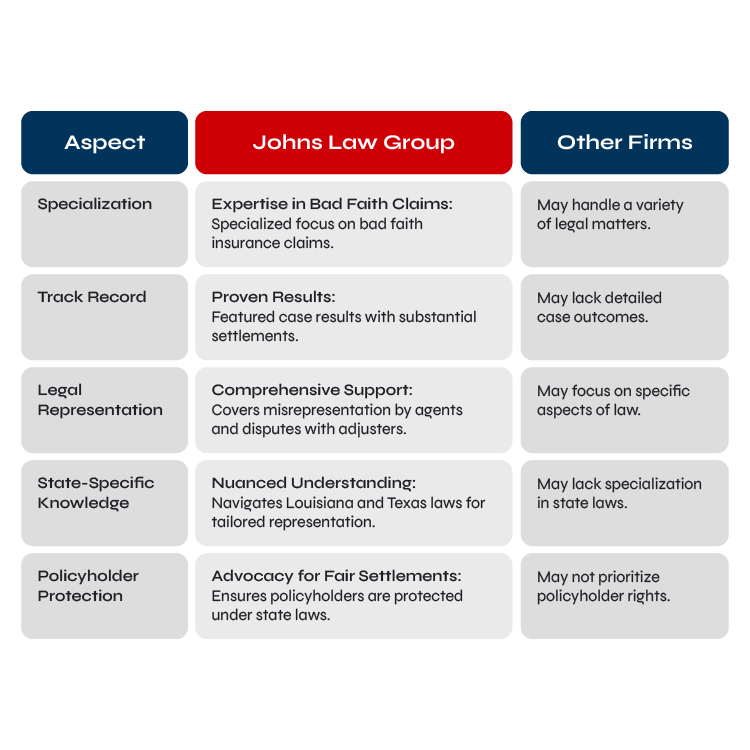
Legal Claims You May Be Able to File
Negligent Misrepresentation
Negligent misrepresentation occurs when an insurance professional fails to use reasonable care in providing accurate information. To succeed in a negligent misrepresentation claim, you generally must show:
- The agent or adjuster owed you a duty to provide accurate information.
- They breached that duty.
- The breach directly caused you harm.
- You suffered actual financial loss (e.g., denied or underpaid claim).
Insurance Bad Faith and Fraud
In many states, insurers and their representatives must investigate and pay claims in good faith. Misrepresentations that lead to wrongful denial, delay, or undervaluation of a claim can form the basis of a bad faith insurance claim. This can allow you to recover:
- The full value of the benefits owed
- Additional damages for financial loss
- Statutory penalties and attorney’s fees (where permitted by state law)
Some states (e.g., Louisiana, Florida, Texas) have explicit bad faith statutes that include misrepresentation as a prohibited practice.
Examples of Agent/Adjuster Misrepresentation
Common misrepresentation scenarios include:
- An agent telling you a policy covers a type of damage when it does not
- An adjuster claiming an exclusion applies when it doesn’t
- Failure to inform you that a policy had been canceled or altered
- Misstating the amount of recoverable benefits during settlement negotiations
Recovering Damages for Misrepresentation
If misrepresentation contributed to a wrongful claim denial, underpayment, or unexpected financial loss, you may be entitled to recover:
- The full amount your claim should have paid
- Consequential damages for losses caused by the misrepresentation
- Court-ordered penalties in states with statutory bad faith protections
- Attorney’s fees and legal costs, where permitted by law
The types and amounts of recoverable damages vary by state and the nature of the misrepresentation.
How a Lawyer Can Help
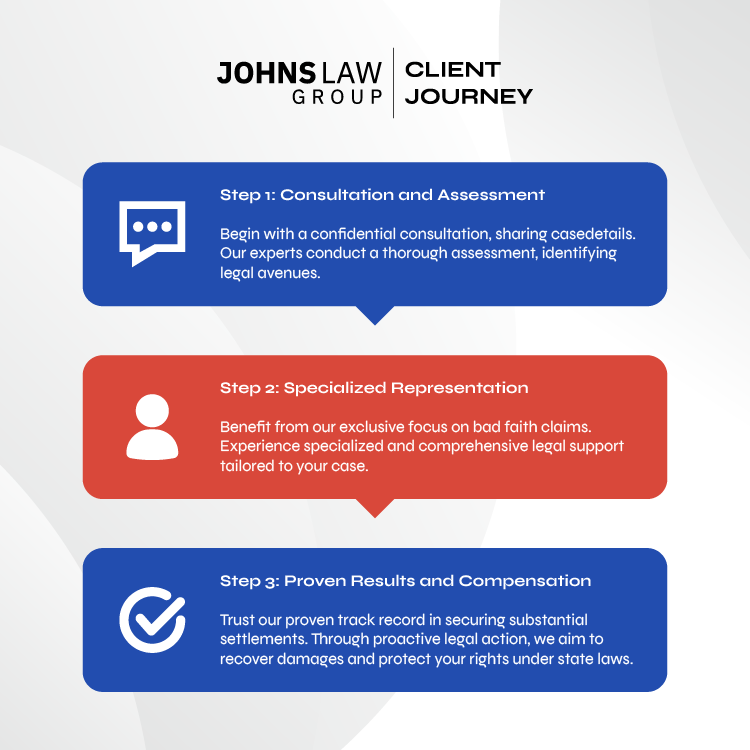
Insurance misrepresentation and bad faith claims are complex and governed by state-specific insurance codes and case law. An experienced insurance attorney can:
- Review your policy and claim history for misrepresentation
- Evaluate whether your insurer or agent acted in bad faith
- Advise on applicable state laws and deadlines
- Represent you in negotiations or bad faith litigation
Summary
Misrepresentation by insurance agents or adjusters can lead to wrongful claim denials, low settlement offers, and significant financial loss. Whether through negligent advice, false statements, or bad faith practices, misrepresentation undermines your rights as a policyholder. Understanding your legal options and consulting a qualified attorney can help you pursue the compensation you deserve.
Contact a Florida Bad Faith Insurance Lawyer
Negligence by an insurance adjuster or agent can have a significant impact on your financial circumstances. Proving negligence is complex and nuanced and has strict time frames to act.
If you believe your insurer has misled or misrepresented your coverage, contact a bad faith insurance lawyer at Johns Law Group. Our qualified insurance attorneys have the experience you need to advocate for you.